
Litter by the Numbers
Litter in Tennessee
No one likes litter.
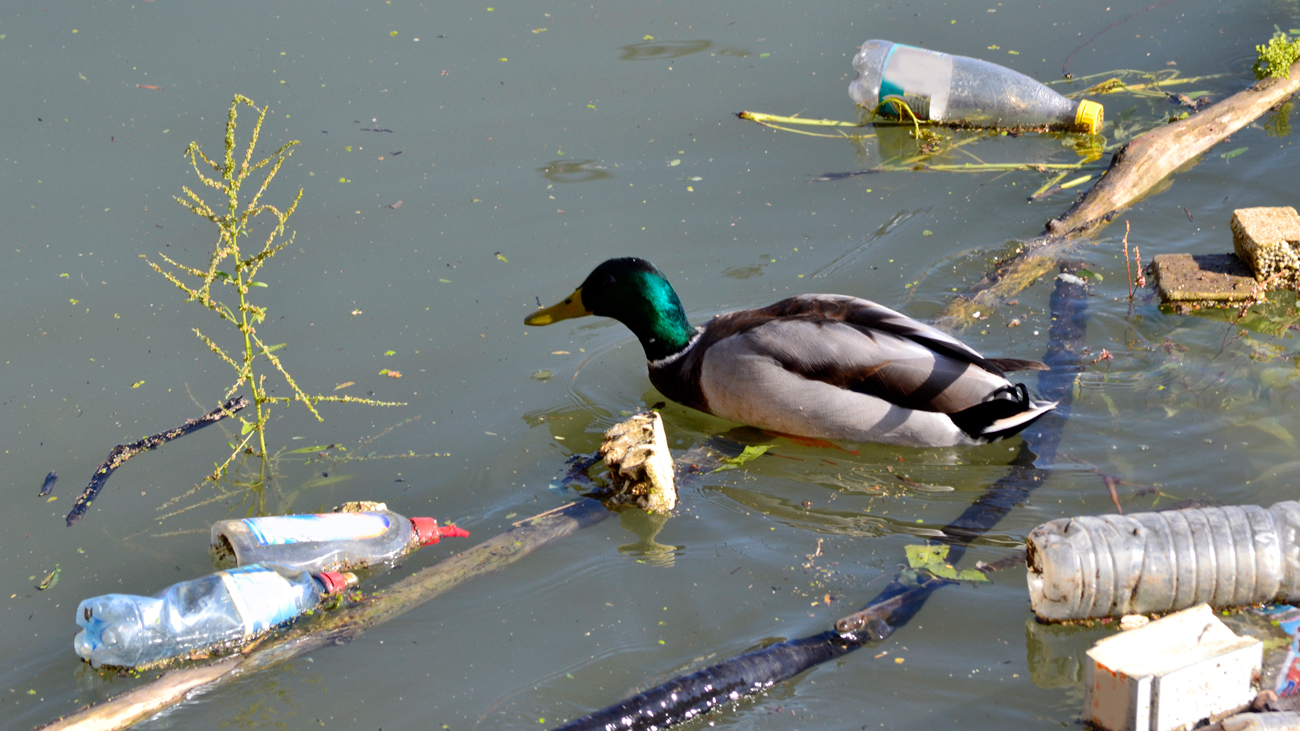
In Tennessee, we’ve seen education efforts around litter pollution work. But as populations continue to grow and as we consume more single-use plastics in excess, the problem is becoming unmanageable.
According to Nobody Trashes Tennessee, there are an estimated 100 million pieces of litter pollution on our roadways this very second.
In 2019, the Tennessee River was identified as one of the most plastic polluted rivers in the world. Currently the river is dumping 32 million pieces of microplastics into the Ohio River every second.
In an informal survey conducted in 2005, samples taken in 14 Tennessee counties showed that 50% of litter volume was made up of single-use beverage containers.
An Expensive Problem
Tennessee taxpayers are spending at least $15 million each year to pick up litter. That’s to say nothing of the countless individuals, companies, and nonprofits that are doing cleanups on their own dime.
At the same time, litter costs Tennessee government and businesses tens of millions each year.
The time for new ideas and solutions to litter pollution in Tennessee is now. Yes, there are effective litter control efforts taking place right now. More often than not, those efforts need to be expanded and better resourced.
The Tennessee CLEAN Act is our chance to change how we fix the litter crisis.